Let’s face it, choosing the right marketing partner is never the easiest decision to make. Teams face a crowded vendor landscape, fast-changing technology, and dozens of potential platforms promising bigger results.
Before jumping into proposals or long-term commitments, companies often rely on one underrated but powerful tool: the RFI.
In marketing, the RFI serves as a structured way to understand who a vendor really is, what they can deliver, and whether they’re worth taking to the next stage of evaluation. It helps bring clarity long before any contracts or campaigns begin.
Indexed Zone SEO has prepared an article that will help you fully understand how RFIs actually work and how they differ from similar processes.
What Is an RFI in Marketing?
A very frequent abbreviation in SEO terminology, and in online marketing as a whole, is RFI. You have probably heard it by now, and in case you have no idea what it means, or you’re unsure, we’re here to clarify that.
To put it simply, what does RFI stand for in marketing? It stands for Request for Information.
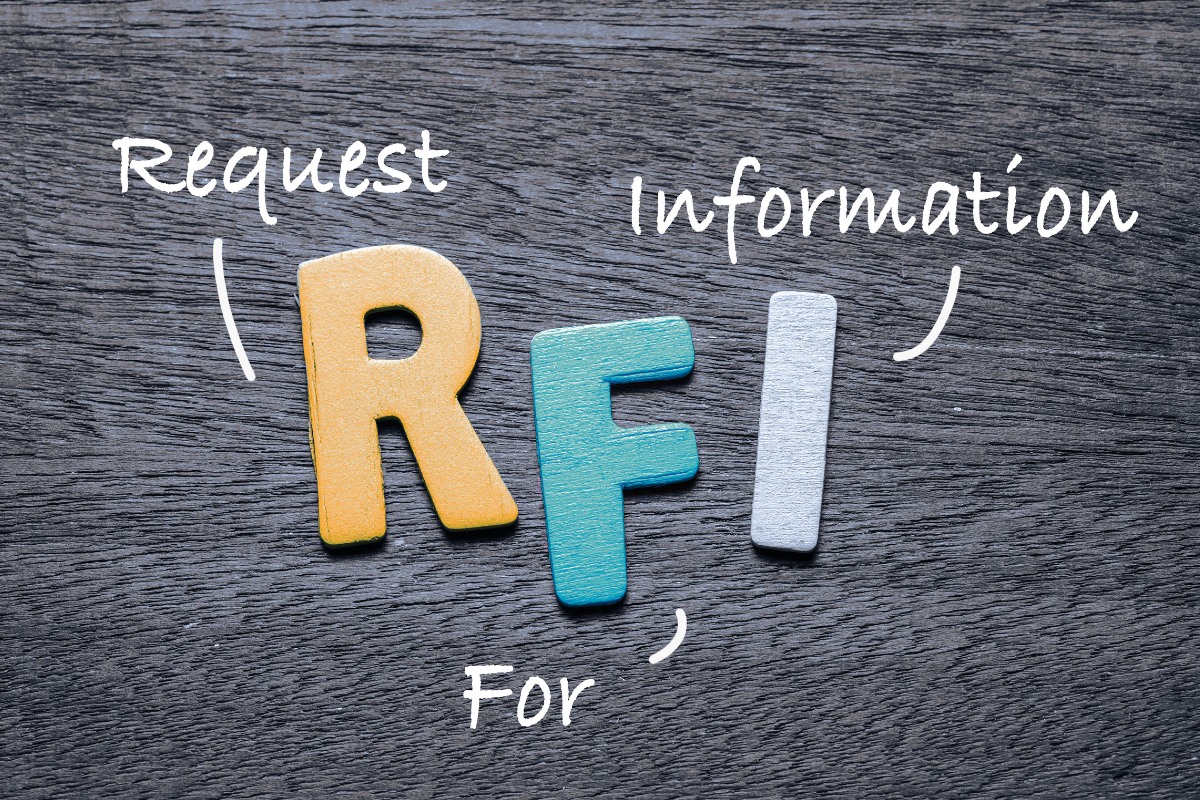
An RFI is a formal document businesses use to gather details from potential marketing vendors or agencies before engaging in deeper conversations (proposals, audits, or pitches).
Companies use RFIs to compare capabilities, narrow down a long list of possible partners, and make sure they’re speaking only with vendors who align with their goals. This saves money, time, and internal resources, especially for teams evaluating multiple providers.
The formal RFI marketing definition refers to the early-stage information-gathering process where a business requests structured background data from agencies or vendors. It helps decision-makers understand positioning, experience, processes, and suitability before inviting anyone to the next step.
How RFIs Work in Real Marketing Environments
Well-structured marketing RFIs follow a very simple progression, so let’s break it down into 5 steps.
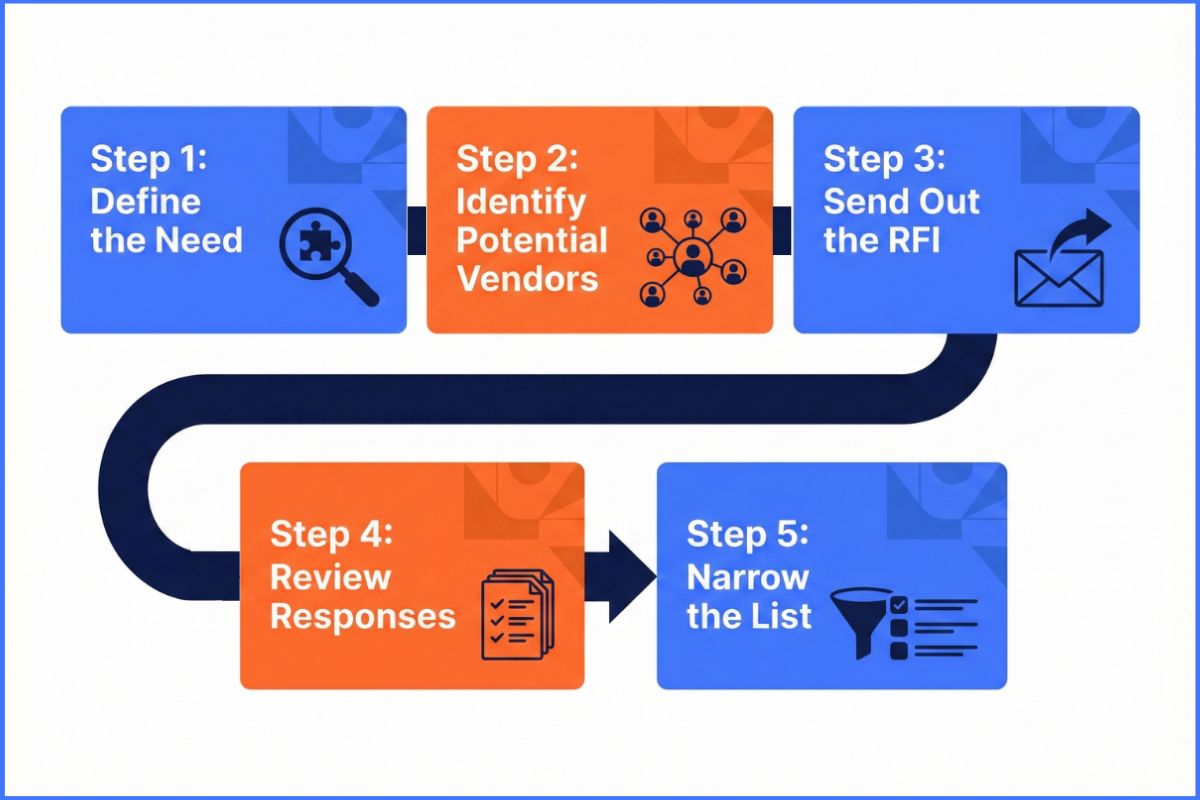
Step 1: Define the Need
Companies outline what they want to achieve. This might be lead generation, brand positioning, SEO scaling, paid media growth, analytics implementation, or multi-channel strategy support.
The main questions to ask SEO consultants and digital marketing agencies should revolve around these particular topics outlined above, or to put it simply, around the goals you as a business want to achieve.
Step 2: Identify Potential Vendors
Some businesses build a long list from:
- Referrals
- Industry directories
- Social proof
- Previous project research
At this stage, the list might be 10, 20, or even 40 potential partners.
Step 3: Send Out the RFI
Each vendor receives the same structured document. When doing this, you manage to make sure that all responses can be compared fairly.
Step 4: Review Responses
Decision-makers evaluate the clarity, relevance, and reliability of each response. Agencies that oversell or avoid specifics usually stand out for the wrong reasons.
Step 5: Narrow the List
The top candidates typically move forward to an RFP (Request for Proposal), meeting, or audit.
Why RFIs Matter in Modern Digital Marketing
What makes RFI so special is that it’s a strategic filter that protects companies from costly mistakes. As such, it’s clear why it carries so much weight in modern marketing efforts.
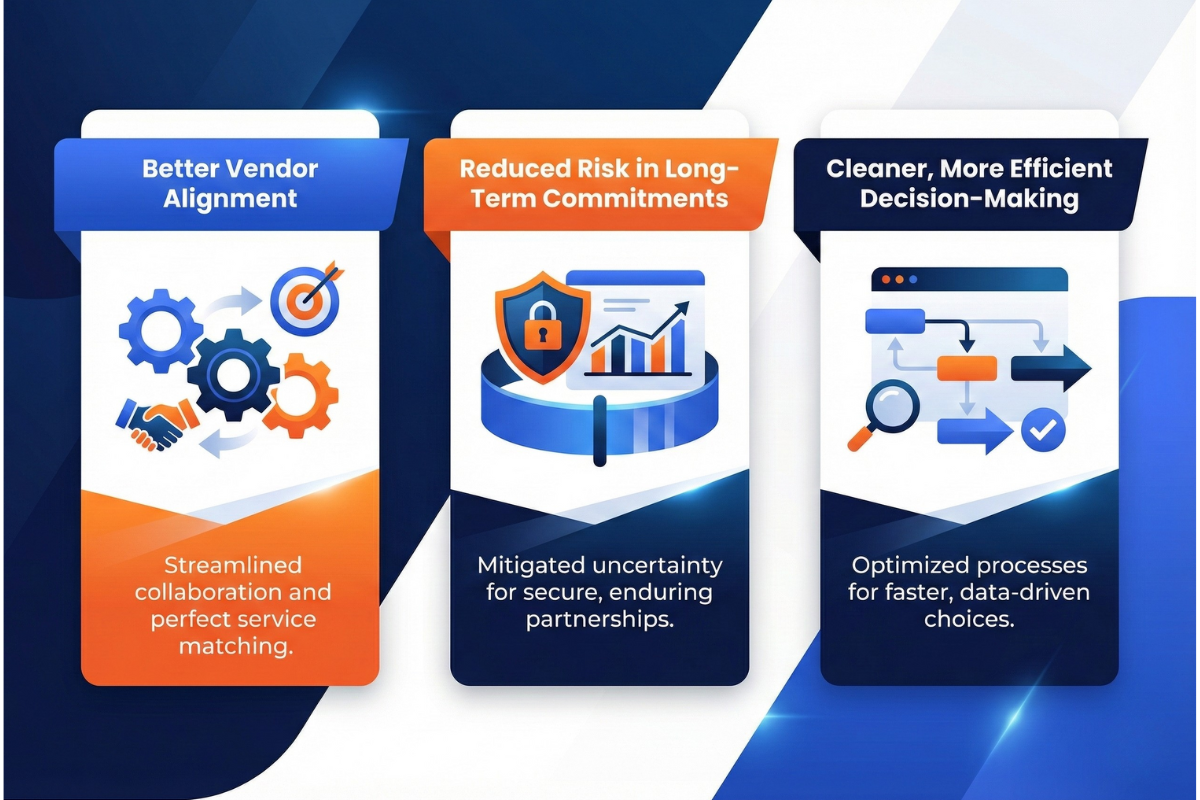
Better Vendor Alignment
An RFI helps companies match their needs with the right marketing partner.
For example, a brand looking to scale enterprise SEO shouldn’t waste time with vendors specializing in small-business website builds.
Reduced Risk in Long-Term Commitments
Marketing vendor contracts often run 6-18 months. If you choose poorly, you can face slow growth, distort data, and start over with another agency.
An RFI minimizes that risk early.
Cleaner, More Efficient Decision-Making
RFIs give structure to what can otherwise become a chaotic selection process. Internal teams compare apples to apples instead of juggling inconsistent sales pitches.
The Role of RFIs in RFI Marketing and Online Campaigns
With that foundation in mind, it’s easier to see why RFIs play such a central role across different marketing disciplines.
Where RFI Marketing Happens Most Often
RFIs are popular in:
- SEO and Organic Growth Initiatives: Teams use RFIs to understand methodology, reporting standards, and long-term strategic approaches.
- Paid Media and Performance Marketing: Companies want to know how agencies think about attribution, budgets, and multi-channel performance before committing.
- Marketing Automation and CRM Projects: The stakes are high, and the implementation process can be rigid. So, it’s pretty clear that the alignment up front matters.
- Full-Service Digital Agency Selection: For brands evaluating multiple agencies across SEO, paid ads, content, and CRO, an RFI becomes a critical first step.
RFI Online Marketing Insights
With the rise of digital procurement, companies increasingly use RFI online marketing systems to automate distribution, track responses, and compare vendor insights through templates or scoring frameworks.
As a result, teams can review more options without getting overwhelmed, which leads to more thoughtful vendor choices.
Because many agencies aggressively market themselves online, companies rely on both online submissions and internal review processes to eliminate vendors whose online presence doesn’t match their actual capabilities.
FAQs About RFIs in Marketing
Use an RFI when the vendor list is still broad and you need clarity before requesting detailed proposals.
RFIs come first – RFPs come second.
They benefit just as much, especially if they’re hiring a marketing agency for the first time or investing in new channels like SEO or PPC.
A typical timeframe is 5-10 business days, depending on complexity. Anything shorter may limit thoughtful responses.
Yes. Many brands issue RFIs for analytics tools, marketing automation platforms, CRM systems, and AI solutions.
Most companies shortlist the top 3-5 vendors and move to deeper discussions, demos, or formal proposals.
Use RFIs to Choose Better Partners and Build Stronger Marketing Outcomes
Now that you know what an RFI in marketing is, you can move confidently through the crowded world of agencies, platforms, and consultants.
Regardless of if your goal is to scale organic results or, perhaps, improve paid performance, thoughtful RFI marketing creates better long-term outcomes and builds a strong foundation for your business.
And, in case you’re actively looking to streamline your SEO and other online marketing efforts, contact us and see exactly what to expect from IZ SEO Consulting in terms of support, transparency, and strategic direction your team should expect from a serious long-term partner.