People tend to move seamlessly between platforms; in one instance, a customer might be on Instagram, then check their emails, then move to their computer to complete a task they started on their mobile device. If a brand is not communicating with consumers through a number of platforms, they risk losing customers. However, omnichannel marketing is beneficial to customer experience, and with SEO optimization, it is beneficial in many other ways.
Using omnichannel marketing to optimize SEO can help boost visibility, credibility, and rankings. This Indexed Zone SEO article will discuss how to break down SEO omnichannel marketing to enhance search performance.
What Is Omnichannel Marketing?
The objective of omnichannel marketing is to build a smooth, connected experience for your customers. This is different from multichannel marketing, where a brand is present on a number of different platforms. In omnichannel, everything integrates and works together seamlessly.
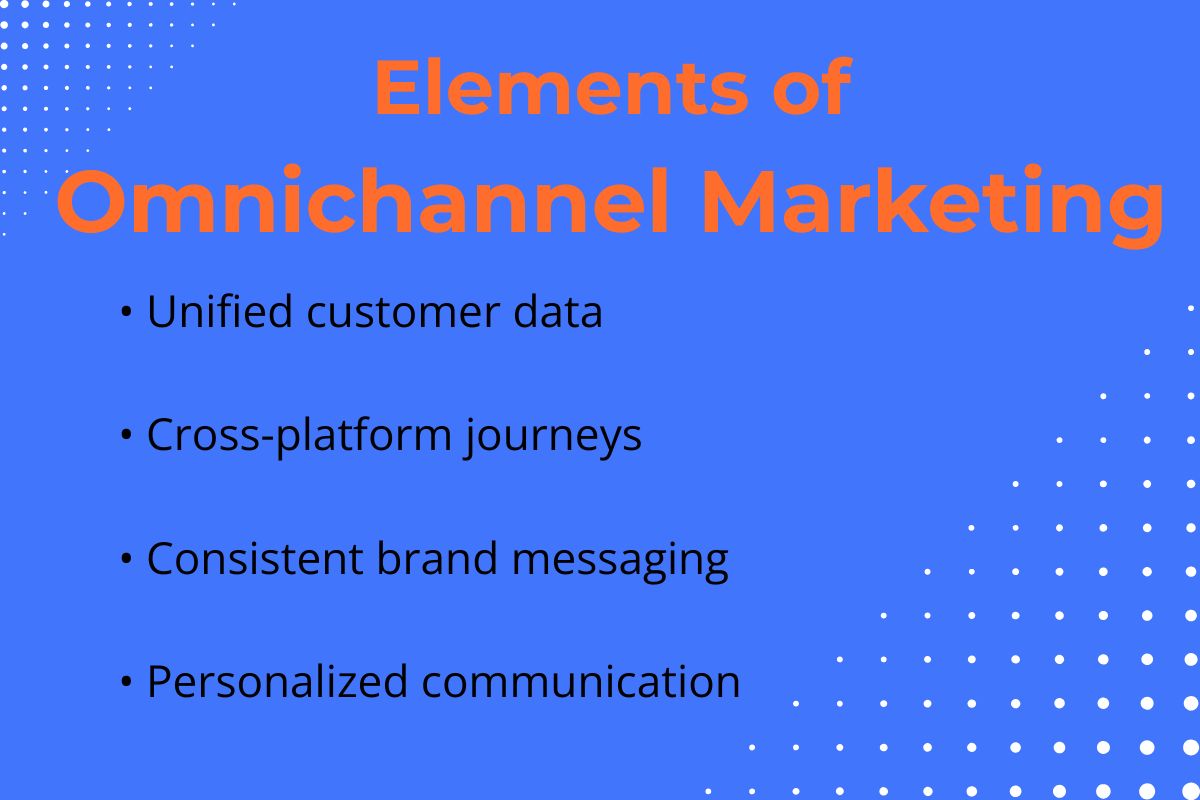
The following attributes guarantee the success of an omnichannel marketing strategy:
- Integrated, comprehensive customer data: This is a result of converging insights from website interactions, email activity, transactions, and social engagement.
- Steady brand messaging: No matter how or where customers interact with your brand, it should maintain the same tone, look, and feel.
- Seamless cross-platform experiences: Consumers should be able to browse on mobile, continue on desktop, then complete a purchase in-store without interruptions.
- Targeted and relevant communications: Instead of blasting the same message to everyone in your audience, your comms should reflect what individuals have done and what they are interested in.
Today’s consumers expect fully integrated experiences, from mobile-optimized blog posts to digital cart checkouts to in-store pickups.
Why Omnichannel Marketing Matters Today
Every step of a buyer’s journey today is more complex. Customers no longer take a linear approach to buying. Instead, the journey is a series of hops: scrolling social media, checking reviews, comparing prices, and switching devices. In this multi-lined buying process, consumers expect speed, simplicity, and brand consistency. Positive results are generated when a company is successful in applying an omnichannel marketing approach.
This is where omnichannel benefits begin to shine. Companies that integrate their channels see:
- Higher engagement and time-on-site
- Increased trust through consistent messaging
- Stronger brand recall, leading to direct and branded searches
- Improved conversion rates and retention
These characteristics are all crucial for long-term SEO success.
Omnichannel Marketing’s Effect on SEO
An omnichannel strategy benefits your customers; however, it benefits your search engines positively in a number of ways. Here are the primary benefits to your search performance.
1. Signals of a Potential Improved User Experience
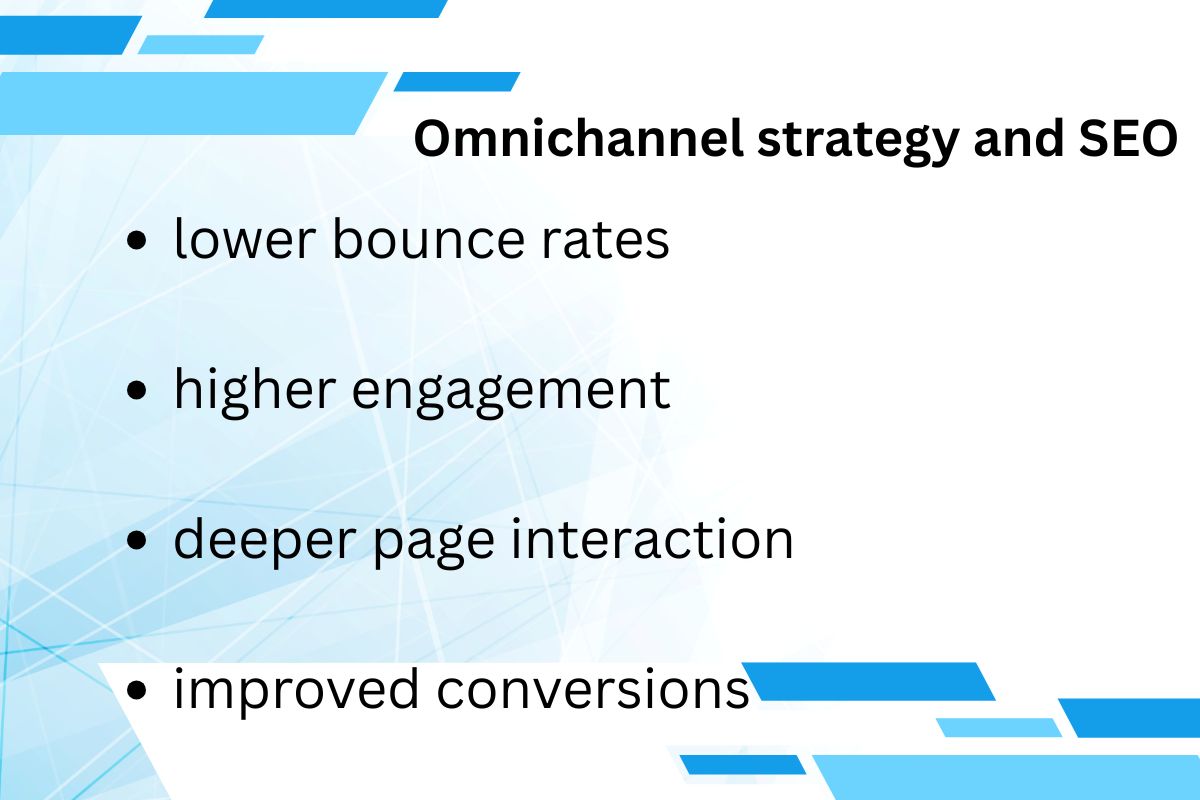
Search engines are becoming more sophisticated in their evaluation of quality based on how people interact with your site. When companies successfully execute an omnichannel approach, they typically receive the following metrics:
- Decreased bounce rates.
- Improved engagement.
- Visitors click deeper into the site.
- Increased conversion rates.
The relationship between SEO and a great user experience is becoming more pronounced. Google rewards sites where visitors spend more time and where they can easily navigate and engage with the content.
2. An Increase in Branded Searches
People tend to remember brands when they view them consistently through various channels with the same messaging. When people remember a brand, they tend to search for it using the brand name. An increase in branded searches serves as a valuable trust signal; therefore, it increases the overall ranking of the brand.
3. Improved Content Relevance
An omnichannel content strategy means everything connects. Your emails, social posts, and blogs reinforce the same themes and expertise. This consistency helps search engines better understand your content, which builds topical authority and enhances keyword relevance.
3. Enhanced Local SEO
For businesses with physical locations, maintaining consistent NAP (name, address, phone) listings is critical. When your reviews, citations, and profiles synchronize, search engines find you more relevant and trustworthy regarding local searches.
4. Organic Link Building
When your content aligns, people are more likely to share, recommend, or link to your content. This consistency gives you a better chance of receiving organic backlinks, a significant ranking factor.
5. Improved, Data-Driven Decisions
Omnichannel marketing relies on analytics, especially regarding user behavior across various channels. This understanding helps you refine content, focus on better keywords, and improve campaigns. This method guides better long-term decisions and supports SEO for business growth.
How to Build an SEO-Friendly Omnichannel Strategy
Establishing an effective omnichannel system requires a lot of planning and revisions. Below are some examples to help you get started:
Customer Journey Mapping
Identify touchpoints: website and blog, social media, email campaigns, mobile apps, physical stores, customer service, etc. Determine the routes customers take through the channels and optimize rough spots.
Consistent Content
The brand voice remains the same regardless of the channel. Ensure that the brand voice remains the same across channels, but don’t copy and paste the same content. Instead, modify the content to suit each channel, but keep the main message the same. Planned and intelligent content recycling strengthens relevance and authority for SEO.
Analytics Integration and Personalization
Combine the data from all the platforms to identify and analyze trends for optimization. Create personalized content since it increases engagement, which improves your rankings.
Cross-Device and Mobile Optimization
Technical Performance is one of the main signals for ranking from search engines, which is why a seamless and omnichannel mobile experience is a must.
Focus on the Core Web Vitals. If the technical side of things is bad, even the most optimized omnichannel presence will be undermined.
Correctly Manage Local Listings
If you have websites for your business’s physical locations, keep every listing accurate and up to date. Make sure your descriptions, business hours, photos, and contact info are the same across the Google Business Profile, social media, online directories, and review platforms.
Integrate Email, Social Media, Search, and Your Website
An actual omnichannel approach integrates everything. For example:
- A social media post encourages users to read a blog.
- The blog points to related products or services.
- An email campaign sends related resources.
- Retargeting ads strengthen the entire campaign.
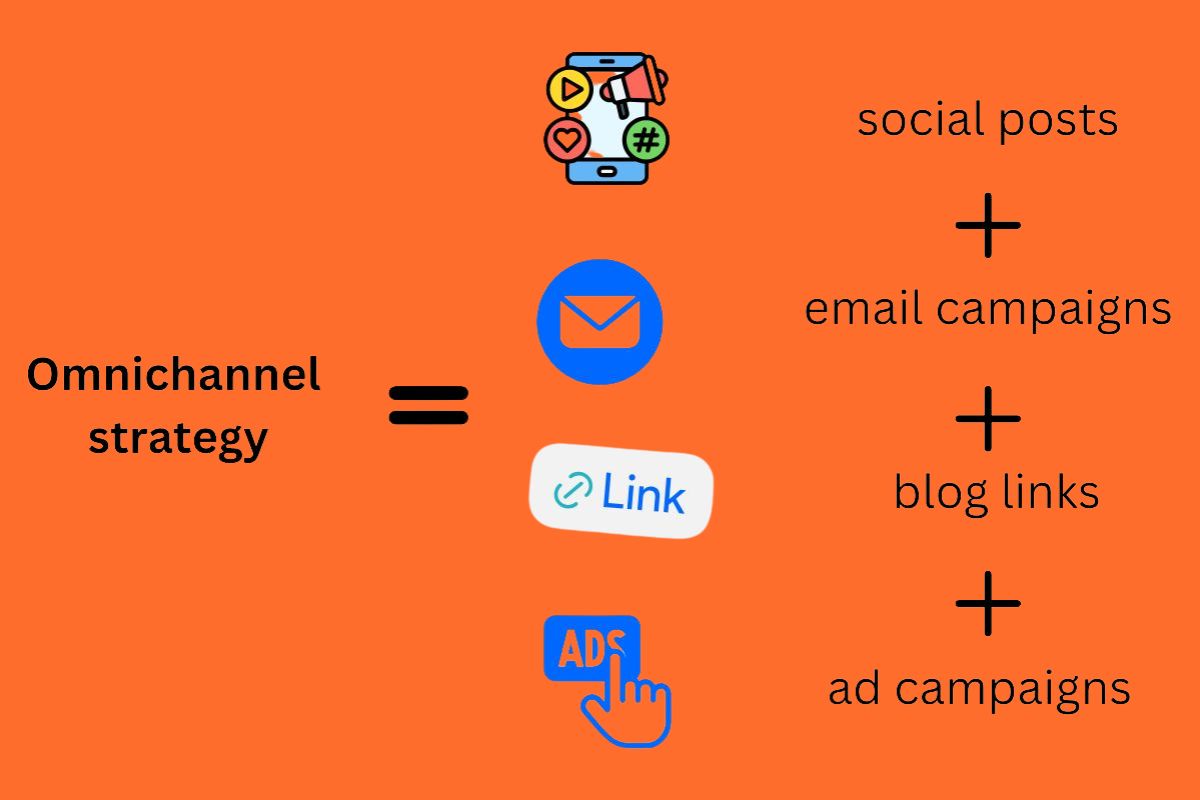
This unified strategy activates the proven SEO techniques that require a steady flow of interaction and visibility across different channels.
Conclusion
Omnichannel marketing is an expectation. A cohesive, connected experience across all channels boosts trust, engagement, and visibility. The omnichannel benefits extend directly into SEO by improving user behavior signals, strengthening brand searches, enhancing authority, and supporting a more data-driven optimization process.
By understanding omnichannel marketing for SEO, businesses can create strategies that not only elevate customer experience but also support SEO for business growth. The combination of unified content, consistent branding, strong UX, and technical performance, including attention to Core Web Vitals, lays the foundation for long-term success in search.